Business Name: BeeHive Homes of Granbury
Address: 1900 Acton Hwy, Granbury, TX 76049
Phone: (817) 221-8990
BeeHive Homes of Granbury
BeeHive Homes of Granbury assisted living facility is the perfect transition from an independent living facility or environment. Our elder care in Granbury, TX is designed to be smaller to create a more intimate atmosphere and to provide a family feel while our residents experience exceptional quality care. BeeHive Homes offers 24-hour caregiver support, private bedrooms and baths, medication monitoring, fantastic home-cooked dietitian-approved meals, housekeeping and laundry services. We also encourage participation in social activities, daily physical and mental exercise opportunities. We invite you to come and visit our assisted living home and feel what truly makes us the next best place to home.
1900 Acton Hwy, Granbury, TX 76049
Business Hours
Monday thru Sunday: 9:00am to 5:00pm
Facebook: https://www.facebook.com/BeeHiveHomesGranbury
YouTube: https://www.youtube.com/@WelcomeHomeBeeHiveHomes
Families seldom start taking a look at assisted living from a calm, leisurely place. More often it begins after a fall, a health center stay, or a slow realization that a parent is no longer safe living alone. Emotions run hot, money feels tight, and the stakes are painfully high. You want your loved one safe, took care of, and respected, but you likewise do not want to jeopardize retirement cost savings or future care needs.
Balancing cost and quality is less about discovering a perfect bargain and more about making informed tradeoffs that fit your family's worths, health realities, and financial image. After years of dealing with households and centers in senior care, I have actually seen careful, methodical choices pay off, and I have likewise seen hurried choices develop tension and regret.
This guide walks through how cost and quality converge in assisted living, and how to make choices that are both thoughtful and economically rational.
Why the expense versus quality tension feels so hard
Assisted living, respite care, and other kinds of elderly care are not like purchasing an automobile or choosing a holiday. You are not simply acquiring a product. You are selecting where an individual will get up, consume, shower, and be assisted through a few of the most susceptible years of life.
Several elements make decisions around senior care especially stressful:
First, prices is complex. There is the base rent, then levels of care, medication management charges, incontinence supplies, transportation charges, and sometimes additional costs for things you presumed were included.
Second, quality is difficult to measure. Pamphlets reveal good furniture and landscaped yards. None of that informs you whether the night shift answers call bells quickly or whether personnel turnover is constant.
Third, emotions run deep. Adult kids may feel guilty cutting expenses, even if the parent demands thriftiness. Brother or sisters typically disagree on what is "sufficient."
Recognizing that the tension is normal can help you decrease and utilize a more structured method instead of reacting purely from worry or guilt.
Understanding what you are in fact paying for
The primary step in stabilizing expense and quality is simply comprehending the pieces of the bill. Numerous families focus on the monthly total without seeing how that number is built.
Types of senior living and what they really mean
The label on the building matters less than the services it provides. A couple of common designs:
Assisted living generally offers help with activities of daily living such as bathing, dressing, toileting, and medication tips in a house or personal room setting. It is not a medical center in the same way as a nursing home, but it is more encouraging than independent senior housing.
Memory care is a specific kind of assisted living for people with dementia. Units are typically secure, with structured routines and personnel trained in dementia communication and behavior support. These programs often cost more since staffing needs are higher.
Nursing homes or knowledgeable nursing facilities offer 24 hr nursing oversight and more intensive treatment. These are suitable when someone needs complex injury care, regular monitoring, or rehabilitation after a severe hospitalization.
Respite care is short term senior care, frequently in an assisted living or memory care setting, that allows family caretakers a break. Remains may last a few days to a few weeks. Although respite care is short-lived, the cost structure resembles long term remains when determined on an everyday basis.

The trick is to match level of care to present requirements, while thinking ahead about the most likely trajectory. Spending for proficient nursing prematurely wastes resources. Selecting a center that can not manage advancing dementia can force a pricey and disruptive relocation later.
Where the cash in fact goes
Most centers break expenses into a couple of categories, even if they provide it as one figure on a shiny flyer.
Base rent typically covers the apartment or room, basic utilities, constructing upkeep, and frequently housekeeping and standard laundry. Place, room size, and whether the unit is personal or shared all influence this amount.
Care level costs are tied to how much help your loved one needs. An individual who just requires tips to shower twice a week will fall under a lower tier than someone who needs hands on help with transfers, toileting, and everyday dressing. Facilities generally examine homeowners before relocation in and designate a "care level" that translates into a month-to-month fee.
Medication management fees cover personnel time to shop, arrange, and administer medications. This may be a flat regular monthly charge or depend on the number of medications and administration times per day.
Additional services can include transportation, beauty parlor visits, specialized activities, incontinence products, extra house cleaning, or cable television and web plans. These look small line by line, however they add up.
When you tour, ask to see a mock costs for someone with comparable requirements. That single page frequently tells you more about the genuine cost of assisted living than any brochure.
The main drivers of expense, in plain language
It assists to have a brief list in mind when you compare pricing from various communities.
Major cost chauffeurs in assisted living:
- Location and real estate costs, especially in urban or high need suburban areas Apartment type, such as studio versus one bed room, personal versus shared Intensity of care needs, for instance help with one activity of daily living versus a number of Specialized programs, particularly memory care or high skill units
If one community looks drastically less expensive, check those 4 locations first. Often the distinction originates from a smaller room, less care hours included, or a less intensive staffing model.
What "quality" actually means in assisted living
Quality is not the waterfall in the lobby or the variety of meals on the menu. Those are features, and while they may matter for comfort, they are not the core of safe, dignified elderly care.

Over time, the elements that matter most fall under a few categories.
Staff stability and staffing levels
Ask any experienced geriatric nurse what matters most and you will hear some version of: personnel who understand the citizens and have time to care.
Facilities rarely advertise personnel to resident ratios in huge print, however you can ask. Ratios vary between day and night shifts and between assisted living and memory care. A neighborhood that looks modest but has steady, long term caregivers who know locals deeply typically provides much better senior care than a high-end residential or commercial property with consistent firm personnel and frequent turnover.
Look for small but telling details. Are staff calling locals by name without examining charts? Do you see the exact same faces throughout numerous visits, or completely various people each time? Do aides appear hurried and worried, or do they have a couple of minutes to chat with residents?
Higher staffing levels cost money. Neighborhoods that keep staffing at bare minimums can provide lower rates, however the tradeoff usually shows up as slower call reaction times, less one on one attention, and more reliance on households to fill gaps.
Training and scientific oversight
Most assisted living settings are social and helpful instead of medical, but you still desire some scientific backbone.
Ask who oversees resident care strategies. Is there a registered nurse on site throughout the day? On call at night? How frequently are citizens reassessed? How are modifications in condition communicated to families and physicians?
Better quality facilities invest in ongoing personnel training, particularly in areas like dementia care, fall avoidance, and safe transfers. Training requires money and time, but it settles in less avoidable hospitalizations and a calmer, more foreseeable environment.
Culture you can feel, not simply check out about
Culture is tough to fake. Throughout a tour, you can typically sense whether homeowners feel at home or managed.
Watch how personnel speak to locals. Are they talking to the person directly, or just to accompanying household? Do they flex down to eye level, or talk over someone in a wheelchair? Do citizens look engaged in activities, or parked in front of a television?
Quality culture appears in how the facility deals with small everyday disappointments. For example, if a resident refuses a shower, do personnel treat it as a challenging habits to "fix," or as a cue to attempt once again later on with a different approach?
Higher quality culture does not always mean granite countertops. Some of the most humane assisted living communities being in older structures with modest furnishings, yet treat citizens with deep regard. Those are typically the places where your cash buys real care rather than appearances.
Mapping quality concerns to your budget
Very couple of households have unrestricted resources. That implies you must choose where to invest and where you are willing to compromise.
A beneficial approach is to recognize your "non negotiables" and your "good to haves." Non negotiables normally touch safety, dignity, and important convenience. Great to haves relate more to aesthetics and extras.
Common non negotiables:
Resident security, especially fall danger management and medication accuracy.
Respectful, person centered care. No tolerance for rough handling or demeaning language.
Reasonable staffing, especially on evenings and nights, when less BeeHive Homes of Granbury elder care managers are enjoying.
Ability to manage anticipated health changes over the next couple of years, so you do not have to move your loved one repeatedly.
Common "nice to haves" that individuals in some cases overpay for:
Brand new construction, luxury surfaces, or impressive lobbies.
Extensive activity calendars that look great on paper however are gently participated in.
Multiple restaurant design dining locations instead of one well run dining room.
Private houses larger than your loved one really needs or will utilize.
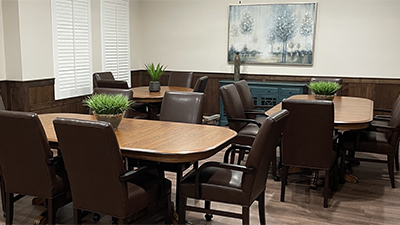
Once you are clear that, for example, steady caregiving personnel matter more than a pool or a theater room, it becomes simpler to ignore flashy but shallow options.
Assessing your monetary reality without wishful thinking
Before you visit many communities, map out what you can realistically manage for assisted living over several years, not simply the first few months.
Start with present income: Social Security, pensions, annuities, rental earnings, and any part time work.
Then look at properties: savings, financial investments, home equity, life insurance with cash value, and long term care insurance if it exists.
Estimate a likely timeframe. Individuals often underestimate the length of time they may require senior care. While individual scenarios vary, lots of citizens invest three to 5 years in assisted living or memory care. Some remain a lot longer.
Factor in future health escalation. Expenses typically rise with care requirements. If your parent is rather independent today, but has progressive dementia or a persistent condition, assume their level of care charges will increase in time.
Do not forget the well spouse. If one partner is moving into assisted living while the other stays at home, ensure you are safeguarding adequate earnings and possessions for the spouse who is not going into care.
This workout is rarely comfy, however it avoids agonizing surprises later, such as recognizing you can not sustain a picked facility as soon as care needs and fees increase.
Using respite care as a trial run
Respite care can be a strategic tool, not simply an emergency patch.
If you feel uncertain whether your loved one will adjust to common living, setting up a short-term stay of a week or two in an assisted living neighborhood supplies a real test. You will find out how personnel in fact run on a common Tuesday, not simply the day of a refined tour.
Respite remains generally cost more per day than a long term contract, however the details you get can avoid an expensive bad move. You will see how your loved one reacts to the environment, whether they take part in activities, and how personnel handle personal routines such as bathing and toileting.
Some families rotate respite care at different neighborhoods to compare quality before committing. For those supplying extreme hands on care in your home, respite likewise offers much needed rest, which helps you make clearer decisions.
What to search for throughout tours, beyond the brochure
A center tour is a bit like an open house when you purchase a home. You are seeing a staged version of truth. Your job is to look past the staging.
Try to visit at various times of day. Late afternoon, in some cases called "sundowning" time for individuals with dementia, exposes how personnel handle agitation or tiredness. Early nights show you staffing on dinner service and shift changes.
Pay attention to smells, but not in the shallow sense. Periodic smells take place anywhere handling incontinence. The concern is how personnel respond. A persistent, heavy smell that never changes suggests persistent understaffing or poor routines.
Watch call lights and staff action. For how long do call lights remain on before someone responses? Are personnel strolling briskly with function or sprinting in continuous crisis mode?
Listen for how staff discuss citizens when they believe you are not listening carefully. Do they describe people as "tough" and "wanderers," or as people with histories and preferences?
Key questions to ask on a tour
Use a small set of pointed concerns instead of a long list that exhausts everybody. The objective is to reveal how the place truly operates day to day.
- How do you choose what level of care a resident needs, and how often do you reassess that level? What is your normal staff to resident ratio on days, nights, and nights, and how do you handle call outs? When a resident's needs increase, what sort of changes can you accommodate here, and what would require a transfer to another setting? How do you communicate with households about health changes, falls, or behavior issues, and how rapidly? What does a typical day look like for someone with my loved one's abilities and interests, not simply what is on the main activity calendar?
Take notes immediately afterward while your impressions are fresh. Over numerous tours, patterns will emerge.
Where you can fairly conserve money without sacrificing safety
Families are frequently stunned to find out that specific cost conserving options do not always hurt quality of care.
Room size is among the easiest levers. Lots of older adults moving into assisted living no longer require or use big spaces. A smaller studio apartment or a shared suite can decrease month-to-month costs significantly without affecting care quality, as long as there is adequate privacy and comfort.
Location within the building can affect price. Ground floor or non view units often cost less. For some locals, being closer to the dining room or activity center matters more than having a beautiful view.
Amenities you can live without are another location. If your loved one does not swim, a pool does not justify a greater rate. If they choose quiet reading to huge outings, you might not need a center that prides itself on constant group trips.
There are likewise scenarios where a slightly older, less attractive property run by an objective driven operator delivers exceptional care at a lower rate than a brand new high-end development. Do not relate newness with quality.
Where you should not cut corners
On the other hand, there are locations where compromising strictly for price tends to backfire.
Chronic understaffing leads straight to missed care, postponed toileting, more falls, and greater frustration for citizens and families. A community that can not fill shifts or relies greatly on firm personnel might show up as a deal on paper, but the hidden costs surface later as medical crises and family burnout.
Facilities that can not manage dementia related behaviors, or that absence safe and secure memory care, can quickly ask you to employ private assistants at your own expenditure or to move your loved one after an event. The tension and extra expense of an urgent transfer typically eclipse any early savings.
Contract terms that permit frequent, unpredictable charge hikes also are worthy of care. Modest yearly increases to keep pace with earnings and inflation are regular. Open ended language that permits midyear boosts with little notification can strain your budget.
If a lower expense choice compromises security, self-respect, or the capability to remain through expected health modifications, the evident savings frequently vaporize over time.
Reading the contract like a skeptic
By the time you get an agreement, numerous families feel emotionally committed. Attempt to stop briefly and read it as if you were advising a stranger.
Focus on:
How care levels and associated charges are defined, including who chooses when a level changes.
What is consisted of in the base rate, and which services are billed individually. Focus on laundry, transportation, and medication management.
Policies on rate boosts, both yearly and mid agreement. Request examples of previous increases over the last 5 years.
Notice and charges for vacating, whether voluntary or due to changing needs.
Rules about private caregivers. Some communities enable you to generate outdoors aides, others restrict this or charge additional coordination charges.
If the agreement feels unclear where cash is concerned, ask for composed clarification. Spoken assurances, no matter how kind the administrator sounds, will not assist you in a dispute.
Making different choices for various family members
Within the very same household, the ideal balance of expense and quality can look extremely various for each person.
A reasonably healthy 78 years of age who needs mild oversight, medication pointers, and social connection may prosper in a moderately priced assisted living neighborhood with strong activities and a solid, if basic, care model. For that individual, paying extra for extensive medical abilities might not be the best use of funds.
An 88 year old with sophisticated heart failure, diabetes, and a history of falls has a various danger profile. For them, you may prioritize a facility with stronger clinical oversight and higher staffing, even if that suggests a smaller apartment or condo or a less glamorous setting.
Spouses frequently present complex tradeoffs. Sometimes the healthier partner moves into assisted living with the frailer one to remain together, although their needs differ. In those cases, weighing the additional cost of a two person apartment or condo versus the psychological and useful advantages ends up being a deeply personal decision.
There is no single right answer, however being explicit about your thinking assists prevent future conflict amongst siblings and relatives.
Using outdoors expertise without losing control
Financial coordinators, geriatric care supervisors, medical facility social workers, and elder law attorneys can all assist you make better choices, specifically in complicated situations.
A geriatric care supervisor, for example, can accompany you on tours, ask sharper concerns, and offer an independent view of quality. They cost cash, however often conserve you from more costly mistakes.
An elder law attorney can explain how assisted living interacts with Medicaid eligibility in your state, aid protect a spouse at home, and prepare files like powers of lawyer, which streamline medical and financial choice making later.
Use professionals as advisors, not choice makers. They can lay out alternatives, however your household's worths and finances still assist the final choice.
Accepting that perfection is not the goal
Families typically carry unrealistic expectations into assisted living choices. They expect round the clock one on one attention, immediate call reactions, premium meals, and endless activities, all at a manageable cost. No facility, at any expense, satisfies all of those suitables all the time.
What you can aim for is a sufficient fit: a location where your loved one is safe, cured kindly, and able to live as individually as possible within their capabilities, while your family can manage the look after the long haul.
Balancing cost and quality indicates making peace with tradeoffs. You might choose a smaller space in a neighborhood with outstanding caretakers. You might accept older furnishings in exchange for a strong memory care program. You may focus on foreseeable pricing over elegant amenities.
If, months later on, your loved one is calmly reading in a bright chair, chatting with personnel who understand their preferred dessert, and you are able to sleep in the evening without continuous concern, then your mindful balancing of expense and quality has done its job.
BeeHive Homes of Granbury provides assisted living care
BeeHive Homes of Granbury provides memory care services
BeeHive Homes of Granbury provides respite care services
BeeHive Homes of Granbury supports assistance with bathing and grooming
BeeHive Homes of Granbury offers private bedrooms with private bathrooms
BeeHive Homes of Granbury provides medication monitoring and documentation
BeeHive Homes of Granbury serves dietitian-approved meals
BeeHive Homes of Granbury provides housekeeping services
BeeHive Homes of Granbury provides laundry services
BeeHive Homes of Granbury offers community dining and social engagement activities
BeeHive Homes of Granbury features life enrichment activities
BeeHive Homes of Granbury supports personal care assistance during meals and daily routines
BeeHive Homes of Granbury promotes frequent physical and mental exercise opportunities
BeeHive Homes of Granbury provides a home-like residential environment
BeeHive Homes of Granbury creates customized care plans as residents’ needs change
BeeHive Homes of Granbury assesses individual resident care needs
BeeHive Homes of Granbury accepts private pay and long-term care insurance
BeeHive Homes of Granbury assists qualified veterans with Aid and Attendance benefits
BeeHive Homes of Granbury encourages meaningful resident-to-staff relationships
BeeHive Homes of Granbury delivers compassionate, attentive senior care focused on dignity and comfort
BeeHive Homes of Granbury has a phone number of (817) 221-8990
BeeHive Homes of Granbury has an address of 1900 Acton Hwy, Granbury, TX 76049
BeeHive Homes of Granbury has a website https://beehivehomes.com/locations/granbury/
BeeHive Homes of Granbury has Google Maps listing https://maps.app.goo.gl/xVVgS7RdaV57HSLu9
BeeHive Homes of Granbury has Facebook page https://www.facebook.com/BeeHiveHomesGranbury
BeeHive Homes of Granbury has an YouTube page https://www.youtube.com/@WelcomeHomeBeeHiveHomes
BeeHive Homes of Granbury won Top Assisted Living Homes 2025
BeeHive Homes of Granbury earned Best Customer Service Award 2024
BeeHive Homes of Granbury placed 1st for Senior Living Communities 2025
People Also Ask about BeeHive Homes of Granbury
What is BeeHive Homes of Granbury Living monthly room rate?
The rate depends on the level of care that is needed. We do an initial evaluation for each potential resident to determine the level of care needed. The monthly rate is based on this evaluation. There are no hidden costs or fees
Can residents stay in BeeHive Homes until the end of their life?
Usually yes. There are exceptions, such as when there are safety issues with the resident, or they need 24 hour skilled nursing services
Do we have a nurse on staff?
No, but each BeeHive Home has a consulting Nurse available 24 – 7. if nursing services are needed, a doctor can order home health to come into the home
What are BeeHive Homes’ visiting hours?
Visiting hours are adjusted to accommodate the families and the resident’s needs… just not too early or too late
Do we have couple’s rooms available?
Yes, each home has rooms designed to accommodate couples. Please ask about the availability of these rooms
Where is BeeHive Homes of Granbury located?
BeeHive Homes of Granbury is conveniently located at 1900 Acton Hwy, Granbury, TX 76049. You can easily find directions on Google Maps or call at (817) 221-8990 Monday through Sunday 9:00am to 5:00pm
How can I contact BeeHive Homes of Granbury?
You can contact BeeHive Homes of Granbury by phone at: (817) 221-8990, visit their website at https://beehivehomes.com/locations/granbury/, or connect on social media via Facebook or YouTube
Conveniently located near Beehive Homes of Granbury Cinergy Cinemas a great movie theater with full food & drink menu. Catch a movie and enjoy some great food while you wait.